
The Mobile Air Conditioning (MAC) system role and functions are evolving due to the environmental regulations that are leading to the full decarbonization, in a context where the global vehicle fleet is projected to reach up to 2 billion by 2040 with a progressive increase of road vehicle electrification. In this context MAC systems are expected to contribute significantly to greenhouse gas (GHG) emissions.
This evolution demands a deeper integration of the MAC with the systems of the vehicle to contribute to the whole vehicle energy efficiency increase.
This evolution increases significantly complexity and places a strong emphasis on energy efficiency, as thermal management performance directly influences vehicle range and overall environmental benefits.
Consequently, the skills and competences required for designing, manufacturing, installing and maintaining the new vehicle thermal system are evolving coherently with the system evolution.
In addition, currently used refrigerants (HFC-134a and HFO-1234yf) are in discussion for their environmental compatibility (GWP and PFAS) and at risk of ban or use limitation.
In response of all these facts, the industry is re-evaluating alternative refrigerants: natural refrigerants such as CO₂ (R-744) and propane (R-290) offer advantages in terms of environmental sustainability, low or negligible GWP, and independence from patent constraints.
1. Mobile air conditioning and vehicle Electrification
With the progressive electrification of vehicles, mobile air conditioning and vehicle thermal management systems are evolving towards the so-called Integrated Thermal Management System.
The Hybrid Electric Vehicle (HEV/PHEV have an internal combustion engine (ICE) combined with an electric motor and battery enabling the vehicle to travel in pure electric distances, function of the battery size and the possibility to recharge it (PHEV). The MACis part of the vehicle thermal system that must also serve the battery, motor, and thermal controller and uses electrically driven compressor.
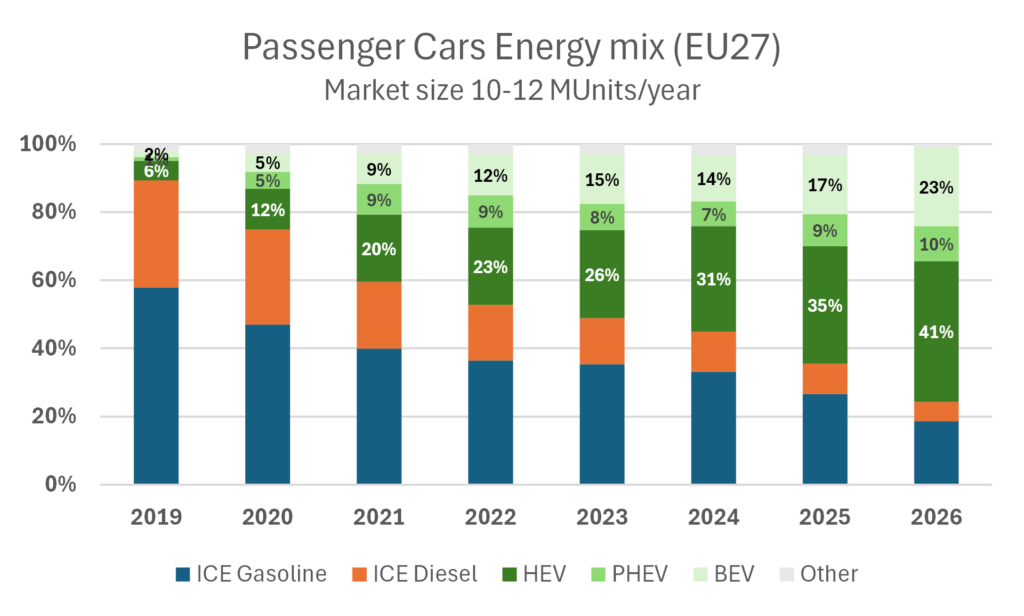
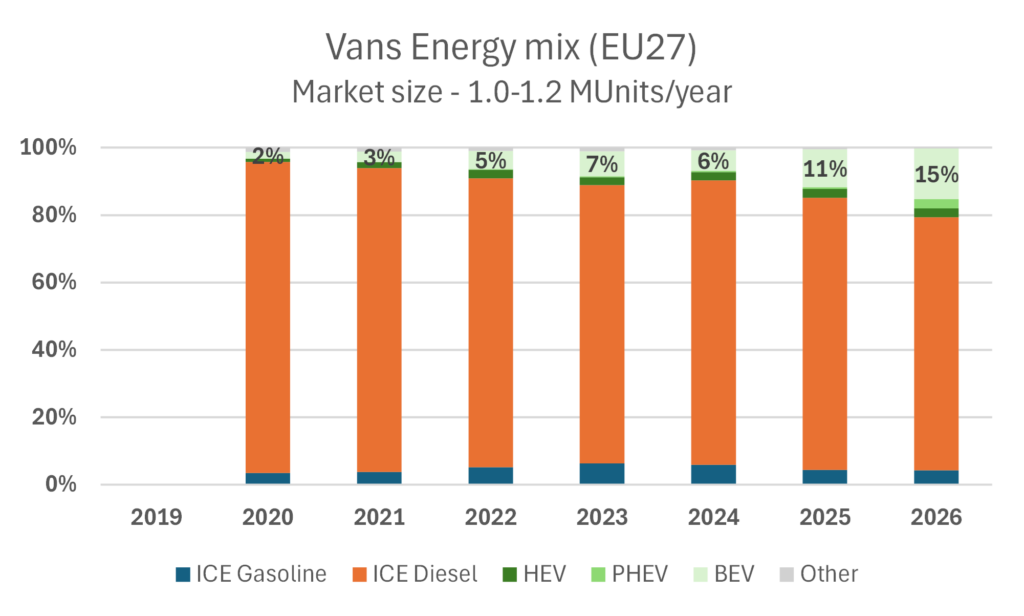
Figure 1. The European Passenger cars market electrification is progressing rapidly.
Source: 2019-2025 ACEA; 2026 projection
In Battery Electric Vehicles (BEV), thermal management is of paramount importance because heating and cooling is strongly affecting the electric range and because battery performance and lifetime depend on thermal conditions. Recently, the heat pump system to provide both heating and cooling, has become the most used approach because of its higher efficiency in ensuring the heating. The refrigerant charge is usually about 30 to 50 % higher than that in a conventional AC system function of the technology selected to cool the battery (indirect or direct expansion). Indirect expansion and condensation (i.e., liquid cooled condensers and liquid heated evaporators) enable lower refrigerant charge, higher system flexibility and safe use of natural flammable refrigerant (R-290).
The vehicle electrification is progressing quite rapidly in Europe for Passenger cars while is a bit slower for Vans and not started for heavy duty and other kinds of vehicles due to the limitations of current battery technology (battery density).
2. Evolution of Competencies in Automotive Thermal Systems
The road-vehicle electrification and with this the software-defined vehicle architectures, fast charging requirements and stringent efficiency targets are leading to the transformation of the automotive thermal engineering.
Therefore, also the competencies and skills are evolving, and new profiles are required by automotive manufacturers, suppliers and engineering service providers.
Traditional automotive thermal systems focused on engine cooling and cabin HVAC. The rapid adoption of electrified powertrains has shifted engineering priorities toward battery thermal management, integrated thermal architectures, heat pumps, advanced controls and simulation-driven development.
Key drivers include EV adoption, battery safety, charging performance, energy efficiency, sustainability requirements and low-GWP refrigerants.
Thermal engineering is increasingly multidisciplinary. Core growth areas include battery thermal management, vehicle thermal management systems, heat pumps, model-based controls, CFD/1D simulation, digital twins and AI-supported energy management.
Figure 2 summarizes, qualitatively, the relative shift in engineering emphasis from the 2015 ICE-oriented environment to the current EV-centric environment.
The thermal engineer is evolving from a component specialist into a vehicle energy-management specialist. Future competitive advantage will depend on combining thermal expertise with software, controls and systems engineering competencies.
Battery thermal management, integrated thermal architectures, heat pumps, software controls and virtual engineering represent the fastest-growing competencies through 2030.
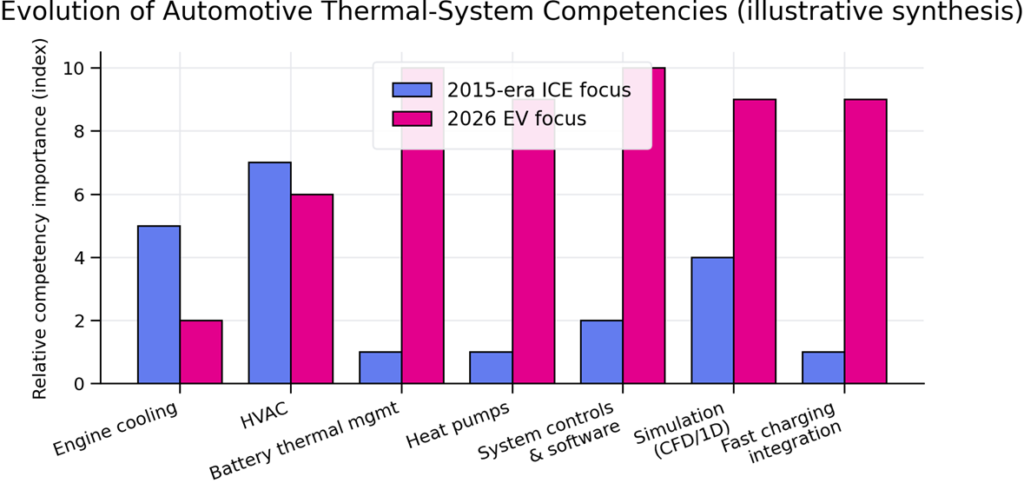
Figure 2. Evolution of Automotive Thermal-System Competencies (illustrative synthesis).
3. Maintenance and Servicing
The electrification of light-duty vehicles has significantly transformed mobile air conditioning (MAC) maintenance and service (Figure 3).
While the basic refrigeration cycle remains unchanged, HVAC systems have evolved from standalone comfort features into critical thermal-management systems that support cabin conditioning, battery temperature control, power electronics cooling, and charging performance.
Modern hybrid and battery electric vehicles increasingly use high-voltage electric compressors instead of engine-driven units, requiring technicians to follow strict electrical safety procedures and acquire expertise in inverter-controlled compressor technology. In addition, the widespread adoption of heat pump systems has introduced more complex refrigerant circuits, valves, sensors, and control strategies that demand advanced diagnostic capabilities.
The transition to low-global-warming-potential refrigerants, particularly R1234yf, has also driven the need for specialized recovery, recycling, leak-detection, and charging equipment. Probably the next transition to natural refrigerants as consequence of PFAS issue will ask for another change for adapting the technologies and skills to new refrigerants (e.g. R-290 flammable, R-744 high pressure)
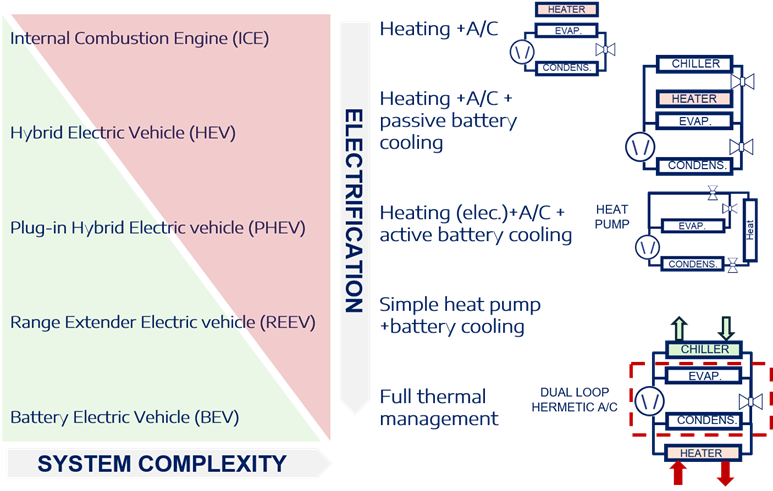
Figure 3. Evolution of Vehicle Thermal Systems
Another important change is the use of dielectric compressor oils, where contamination can lead to compressor failure or electrical insulation issues. Consequently, HVAC servicing now relies heavily on software-based diagnostics, electronic expansion valves, thermal controllers, and OEM diagnostic tools.
As vehicle electrification continues to expand, technicians must combine traditional air conditioning expertise with knowledge of high-voltage systems, battery thermal management, electronics, and digital diagnostics. Overall, MAC service is becoming increasingly sophisticated, safety-critical, and strategically important for vehicle efficiency, range, reliability, and CO₂ reduction objectives.
4. Refrigerants, environmental regulation and natural alternatives
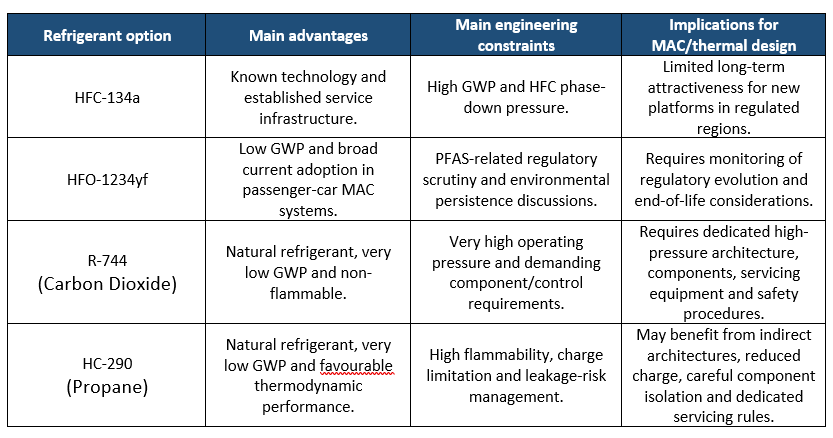
Table 1 – Refrigerant option (not exhaustive)
5. Conclusions
The Mobile Air conditioning system is facing again an evolutionary phase driven by the need to further reduce its direct and indirect environmental impact.
The road vehicles electrification is impacting vehicle architecture, refrigerant system design, and the type and quantity of refrigerant used and introducing new approaches to integrated thermal management.
Integrated systems for combined heating and cooling, as heat pumps and dual loop heat pumps can improve energy efficiency.
New skills and wider competence profiles are required for engineers and technicians involved in design, production, servicing and maintenance to deal with the transition from simple air conditioning system to the more complex thermal management system.
Finally, in case PFAS-related issue that could lead at least in Erupe to ban or limitation on currently used refrigerants, R-744 and HC-290 are the mainstream alternatives.
6. References
- https://www.acea.auto/figure/fuel-types-of-new-passenger-cars-in-eu/
- https://www.acea.auto/figure/vans-eu-fuel-type/
- International Energy Agency (IEA), Global EV Outlook 2025 and Trends in Electric Car Markets, 2025.
- MACS Worldwide, Service Practices and R-1234yf Technician Training Resources.
- Fluorocarbons.org, Mobile Air Conditioning and HFO-1234yf adoption in Europe.

Carloandrea Malvicino